
Residential Solutions
Residential Solutions: Creating Greener Homes
Our Residential Solutions empower homeowners to embrace sustainability by reducing waste, lowering energy consumption, and minimizing their carbon footprint. We provide eco-friendly solutions, including solar energy systems, water conservation technologies, and efficient waste management strategies.

Importance of Zero Waste Solutions for Residential Solutions
Adopting zero-waste practices in commercial and official settings offers a multitude of benefits, extending far beyond environmental impact reduction. By embracing zero-waste strategies, businesses and organizations can
Minimize Waste Disposal Costs and Maximize Savings
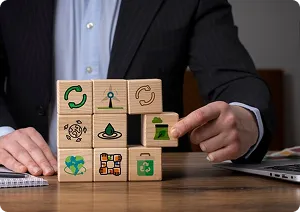
Efficient waste management practices lead to significant cost savings, as businesses can minimize the amount of waste sent to landfills & Incinerators.
Comply with Regulations and Certifications
Zero-waste practices align with various environmental regulations and certifications, ensuring compliance and regulatory ease.
Enhance Brand Image and Corporate Responsibility

Limited Resources Schools often have limited resources and personnel dedicated to waste management tasks.
Breaking Down Dry Waste – Towards Better Recycling!
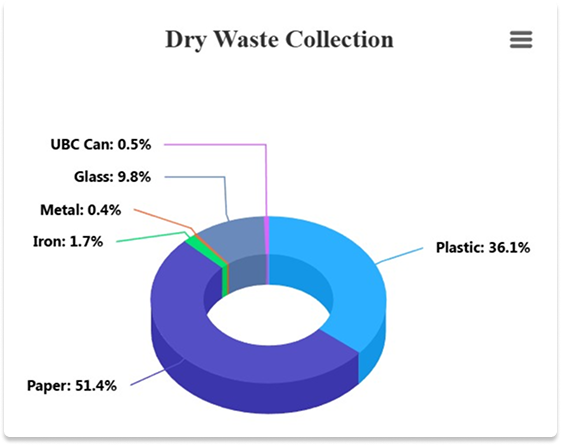
The dry waste collection data is represented in a donut chart, showing the proportion of different materials.
- Paper makes up 51.4%, the largest share of dry waste, indicating a high potential for recycling.
- Plastic accounts for 36.1%, highlighting the need for better plastic waste management.
- Glass contributes 9.8%, which can be efficiently recycled.
- Iron (1.7%), UBC Can (0.5%), and Metal (0.4%) form a small percentage of the total waste.
Our Comprehensive Services
ZWC’s approach to waste management is comprehensive and tailored to the unique needs of each commercial or official property. Our services encompass
Waste Audit and Analysis
- We conduct a thorough waste audit to identify and quantify waste streams, providing valuable insights for developing effective waste reduction strategies.
Customized Waste Management Plans
- Based on the waste audit findings, we create customized waste management plans that outline specific strategies and procedures for waste reduction, reuse, and recycling.
Zero Waste Implementation
- We provide hands-on implementation support, guiding our clients through the process of adopting zero-waste practices and ensuring seamless integration into their operations.
Regular Monitoring and Reporting
- We maintain ongoing monitoring and reporting of waste management performance, providing clients with regular updates on progress and identifying areas for further improvement.
Monitoring Waste Collection for a Sustainable Future
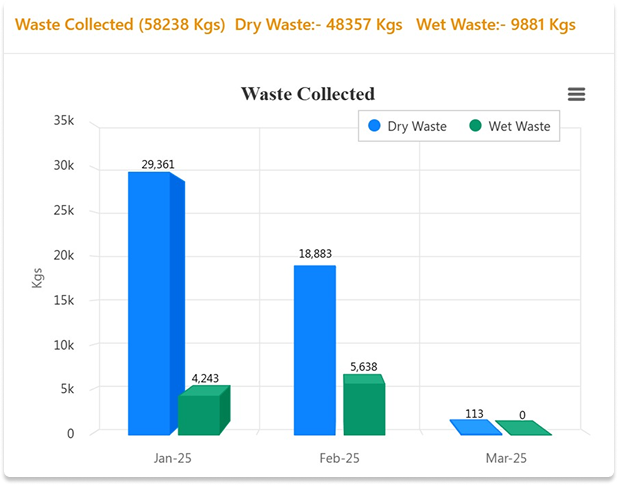
At ZWC, we believe that consistent monitoring of waste collection is essential to building a cleaner, greener future. Our data-driven approach helps us track both dry and wet waste streams across our network, ensuring that every effort contributes to sustainability.
By analyzing trends over time, we identify opportunities to reduce waste at the source, optimize collection processes, and engage communities more effectively. These insights not only reflect the impact of our ongoing initiatives but also help shape smarter, more sustainable waste management strategies.
Benefits of Zero Waste Solutions
Monitoring waste collection allows us to track progress, identify inefficiencies, and improve waste segregation and recycling efforts. It ensures accountability and helps us measure the impact of our sustainability programs.
ZWC uses a digital monitoring system that records data on dry and wet waste collected from various locations. This helps us generate insights, recognize patterns, and adapt strategies to improve waste management.
Dry waste includes items like plastic, paper, metal, and glass that can be recycled. Wet waste is typically organic material such as food scraps and garden waste, which can be composted or processed into biofuel.
Not necessarily. A decline may reflect positive outcomes such as better segregation at the source, reduced waste generation, or increased awareness about sustainable consumption.